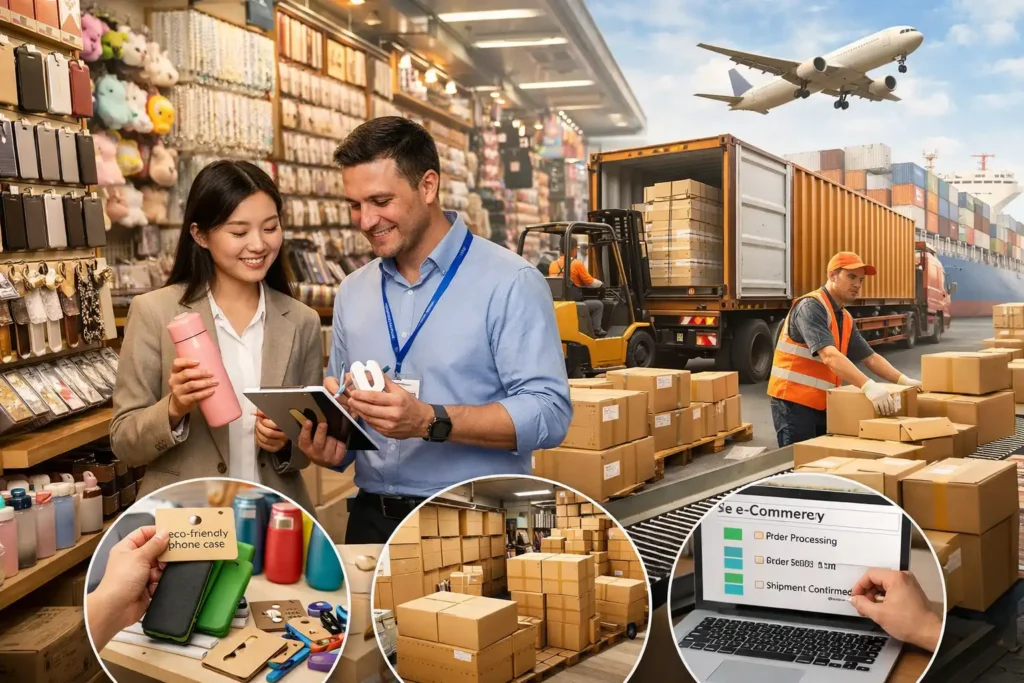
How Overseas Brands Build Private Label Jewelry Using Yiwu Suppliers (2026 Industry Guide)

Introduction: The Rise of Private Label Jewelry in Global Retail
In the past decade, the global accessories industry has undergone a significant transformation. Instead of relying solely on established jewelry brands, many entrepreneurs, e-commerce sellers, and retail companies are building their own brands using the private label jewelry model.
Private label jewelry allows businesses to source products from manufacturers and sell them under their own brand identity. This approach has become especially popular in the fashion jewelry sector because of its relatively low production cost, rapid design cycles, and strong demand driven by fashion trends and social media.
According to research from Fortune Business Insights, the global costume jewelry market was valued at approximately USD 39.46 billion in 2025 and is projected to reach around USD 42.16 billion in 2026, with long-term forecasts suggesting the market could approach USD 78 billion by 2034 (Fortune Business Insights, 2025).
At the same time, the rapid expansion of global e-commerce has enabled smaller brands to reach international customers directly through platforms such as:
- Amazon
- Shopify
- Etsy
Behind many of these brands is a highly efficient supply chain located in China. In particular, Yiwu jewelry suppliers play a critical role in producing affordable accessories for global retailers.
This article explores how overseas brands build successful private label jewelry businesses using Yiwu sourcing agents, China jewelry manufacturers, and fashion jewelry wholesale suppliers.
What Is Private Label Jewelry?
Private label jewelry refers to products manufactured by one company but branded and sold by another company.
Instead of investing in factories or production lines, brands partner with jewelry manufacturers in China to produce products based on existing designs or customized specifications.
The process typically includes:
- Market research
- Finding jewelry suppliers
- Product customization
- Branding and packaging
- Quality control
- Global distribution
This model is widely used in industries such as:
- fashion accessories
- costume jewelry
- stainless steel jewelry
- wholesale jewelry products
For many entrepreneurs, private labeling offers several advantages:
- Lower startup investment
- Faster product development
- Flexible manufacturing volumes
- Opportunity to build long-term brand value
As a result, thousands of new brands are entering the fashion jewelry wholesale market every year.
Why Global Brands Source Jewelry from Yiwu
China has long been a major manufacturing hub for accessories, and Yiwu has developed into one of the most important supply centers for cheap jewelry wholesale and fashion accessories sourcing.
Overseas brands choose Yiwu jewelry manufacturers for several reasons.
1 Competitive Production Costs
One of the main reasons brands source jewelry from China is cost efficiency.
Through large-scale manufacturing and specialized supply chains, Chinese factories can produce items such as:
- wholesale earrings
- fashion necklaces
- bracelets
- stainless steel jewelry
- plated jewelry accessories
These products are often available through cheap jewelry suppliers at competitive prices, allowing retailers to maintain healthy profit margins.
For online sellers, this cost structure is critical for competing in global marketplaces.
2 Fast Design and Manufacturing Cycles
Fashion jewelry is a trend-driven industry. Popular designs can change rapidly due to seasonal fashion trends, celebrity influence, and social media.
Many fashion jewelry manufacturers in China specialize in:
- rapid prototyping
- small batch production
- flexible product customization
This allows brands to test new designs quickly before committing to large production orders.
3 A Highly Integrated Supply Chain
One of the unique advantages of sourcing jewelry from Yiwu is the concentration of related industries within the same region.
A typical Yiwu jewelry supply chain may include:
- jewelry factories
- plating workshops
- packaging manufacturers
- logistics companies
- product inspection services
This ecosystem enables efficient China jewelry sourcing, reducing lead times and simplifying procurement processes for international buyers.
Step-by-Step Guide: How Overseas Brands Build Private Label Jewelry
Many successful brands follow a structured process when sourcing products from China.
Below is a typical workflow used by international buyers.
Step 1: Research Global Jewelry Trends
The first step in building a jewelry brand is identifying market demand.
Brands typically analyze product trends using data from major online platforms such as:
- Amazon bestseller rankings
- Etsy trending products
- Shopify stores
Popular categories in recent years include:
- minimalist jewelry
- stainless steel jewelry
- gold-plated accessories
- layered necklaces
- statement earrings
Understanding trending jewelry products helps brands develop collections that align with consumer preferences.
Step 2: Find Reliable Jewelry Suppliers
Once product ideas are identified, the next step is locating reliable suppliers.
Businesses can search for China jewelry manufacturers through:
- B2B marketplaces
- industry trade shows
- sourcing companies
However, many overseas buyers prefer working with a Yiwu sourcing agent because local experts can help with:
- supplier verification
- price negotiation
- communication with factories
- order management
Professional Yiwu sourcing services can significantly reduce procurement risks.
Step 3: Customize the Product
To differentiate from competitors, brands often customize products before selling them.
Customization may include:
- adding brand logos
- adjusting product materials
- modifying designs
- creating branded packaging
Many custom jewelry manufacturers in China provide OEM and ODM services, allowing companies to develop unique product lines.
This stage is critical for building brand identity.
Step 4: Conduct Quality Inspection
Maintaining product quality is essential for building consumer trust.
Typical inspection procedures include:
- checking raw materials
- plating durability tests
- verifying product dimensions
- testing packaging quality
Some companies hire third-party inspection organizations such as:
- SGS
- Bureau Veritas
These firms provide independent product inspection services in China, ensuring products meet international standards.
Step 5: Arrange Shipping and Global Distribution
After production is completed, jewelry products are shipped internationally using:
- sea freight
- air freight
- international courier services
China’s export infrastructure makes jewelry export from China efficient and accessible for global buyers.
Many sourcing agents also offer consolidation warehouses, allowing buyers to combine products from multiple suppliers into a single shipment.
The Role of Cross-Border E-Commerce
Cross-border e-commerce has dramatically accelerated the growth of private label jewelry brands.
According to research from the International Trade Administration, global cross-border e-commerce sales continue to expand rapidly, providing new opportunities for small and medium-sized businesses to reach international consumers.
Typical business models include:
- Sourcing products from Yiwu jewelry suppliers
- Building a brand identity
- Selling directly to global customers through online platforms
Many successful jewelry brands now operate entirely through digital channels, combining China jewelry sourcing with global online marketing.
Future Trends in the Fashion Jewelry Industry
Looking ahead, several trends are likely to shape the future of the jewelry industry.
1 Digital Product Design
Artificial intelligence and design software are increasingly being used to create new jewelry concepts.
2 Small-Batch Production
Brands are shifting toward smaller, more flexible production runs to reduce inventory risk.
3 Social Media Trend Cycles
Platforms like Instagram and TikTok influence jewelry trends more quickly than traditional fashion cycles.
4 Faster Global Supply Chains
Modern logistics and digital sourcing platforms are making international procurement faster and more transparent.
In this evolving landscape, Yiwu suppliers and China jewelry manufacturers will continue to play an important role in the global accessories industry.
Conclusion
The private label jewelry model has opened new opportunities for entrepreneurs and brands worldwide.
By leveraging the manufacturing capabilities of Yiwu jewelry suppliers, China jewelry factories, and global sourcing services, businesses can launch jewelry brands with relatively low investment while maintaining competitive pricing.
As global e-commerce continues to expand, the combination of fashion jewelry wholesale, custom jewelry manufacturing, and efficient sourcing from China will remain a powerful strategy for companies entering the accessories market.
For many overseas brands, building a strong partnership with reliable suppliers in Yiwu is a key step toward long-term success in the global jewelry industry.
FAQ
What is private label jewelry?
Private label jewelry refers to jewelry products manufactured by one company but sold under another company’s brand name.
Why do many brands source jewelry from China?
China offers competitive production costs, efficient manufacturing infrastructure, and a large network of experienced jewelry manufacturers.
What types of jewelry are commonly sourced from Yiwu?
Popular products include earrings, necklaces, bracelets, stainless steel jewelry, and fashion accessories.
Do jewelry suppliers in China support customization?
Yes. Many manufacturers provide OEM and ODM services, allowing businesses to customize products and packaging.
Is it safe to source jewelry from overseas suppliers?
Yes, especially when working with verified manufacturers and using third-party inspection services.
References (APA)
Fortune Business Insights. (2025). Costume jewelry market size, share & industry analysis. Retrieved from https://www.fortunebusinessinsights.com
International Trade Administration. (2023). Global e-commerce market trends. Retrieved from https://www.trade.gov
SGS. (2023). Inspection and certification services. Retrieved from https://www.sgs.com
Bureau Veritas. (2023). Testing, inspection, and certification services. Retrieved from https://www.bureauveritas.com
Related Posts
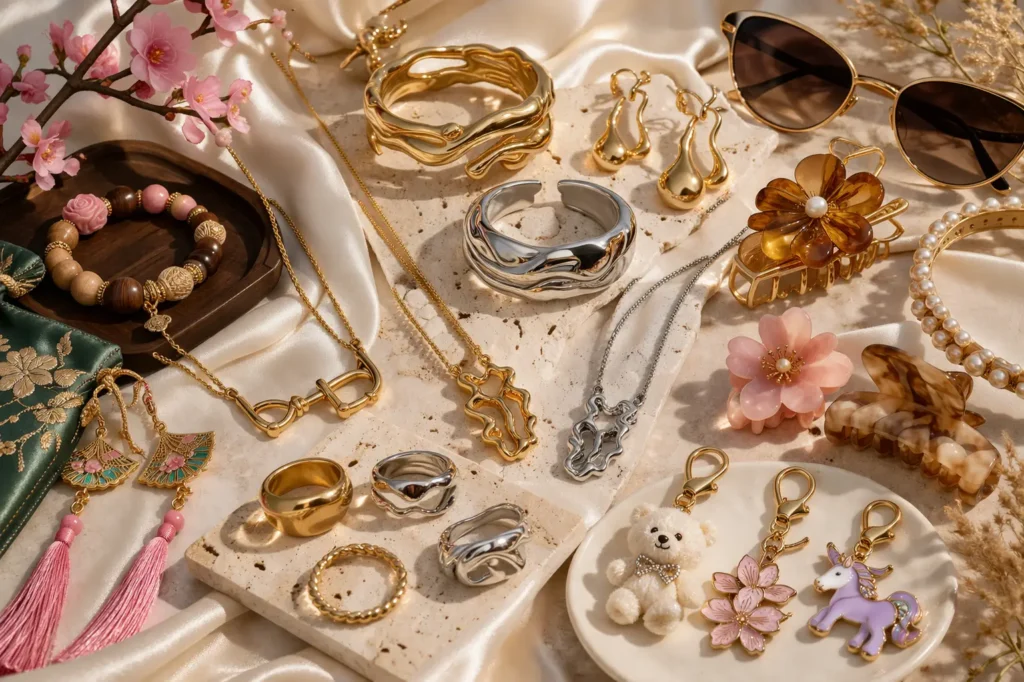
The Ultimate Sourcing Guide for 2026 Fashion Accessories: How to Build a Viral Brand with the Yiwu Supply Chain
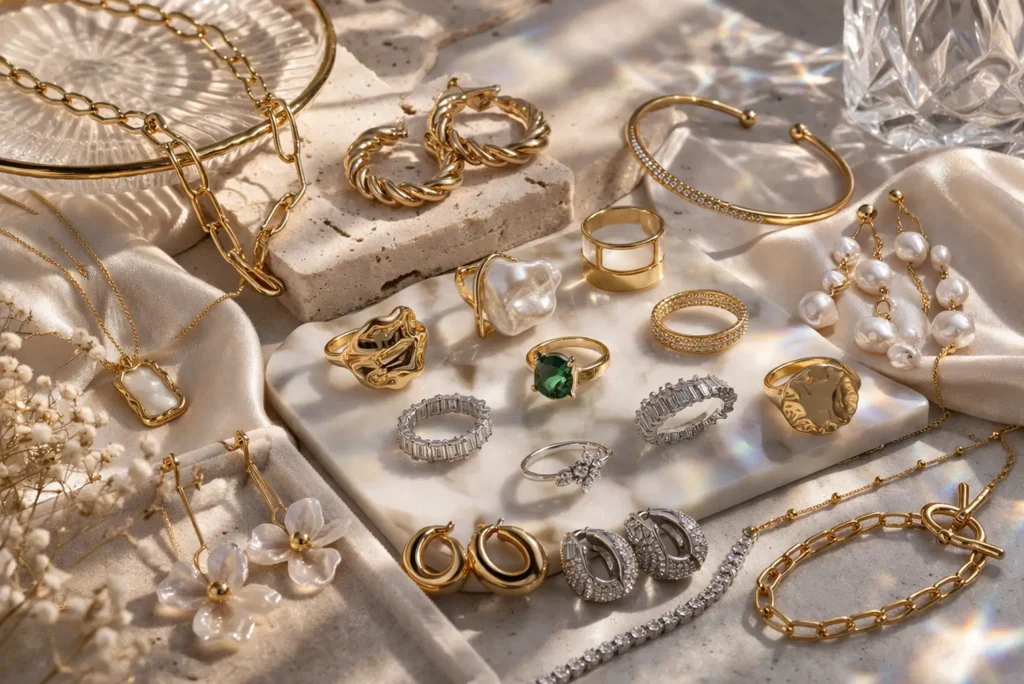
From Viral Hits to Brand Equity: Deep Reconstruction of the Fashion Accessories Supply Chain