OEM vs ODM vs White Label: Which Manufacturing Model Fits Your Brand Stage?
Short answer: validate demand with white label, build a recognisable range with ODM, and protect proven winners with OEM. Choosing between OEM, ODM and white label is less about which model is better than about your brand’s stage, budget and need for differentiation. All three put your logo on a product made by someone else; what changes is who designed it, who owns the design, and what you commit before the first sale.
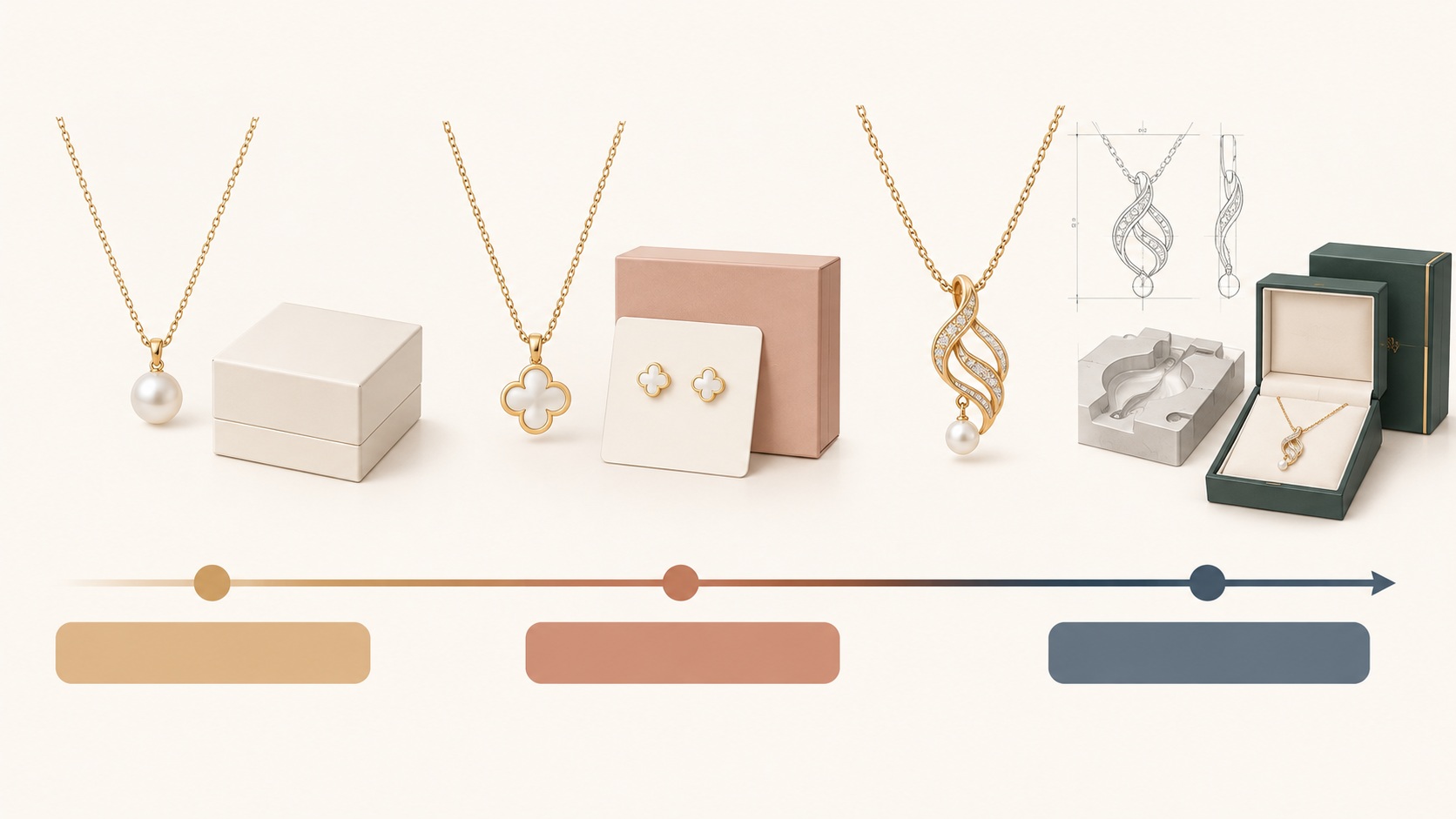 Customisation rises from white label to ODM to OEM — and so do cost, lead time and exclusivity.
What OEM, ODM and White Label Actually Mean
White label. The factory already makes the product and sells it to several brands; you add your logo and packaging. Investopedia defines it as a good manufactured by one company but sold under another’s brand — fast and cheap to launch, but with less quality control and little differentiation (Investopedia).
ODM (Original Design Manufacturer). The factory owns a base design you adapt: metal, plating, stone, acetate pattern, hardware or packaging. You get a distinct collection without paying for a new product architecture.
OEM (Original Equipment Manufacturer). You supply the tech pack; the factory builds to your spec. Sampling, moulds and longer lead times cost more, but you control the design and tooling.
Terms are used loosely, so ask who owns the drawings and moulds after you pay — not what the supplier calls the service.
OEM vs ODM vs White Label: A Side-by-Side Comparison
| Model | Who owns the design | Customisation | Speed to market | Upfront cost | Best for |
|---|---|---|---|---|---|
| White label | Factory, sold to many brands | Logo and packaging only | Fastest — weeks | Lowest | Validating demand |
| ODM | Factory base design, adapted for you | Materials, finish, colour, packaging | Moderate | Moderate | Building a distinct range |
| OEM | You, built to your spec | Full product and tooling | Slowest — sampling plus production | Highest | Exclusivity at scale |
The rule is linear: more customisation means higher MOQ, tooling cost and lead time — but a range that is harder to copy.
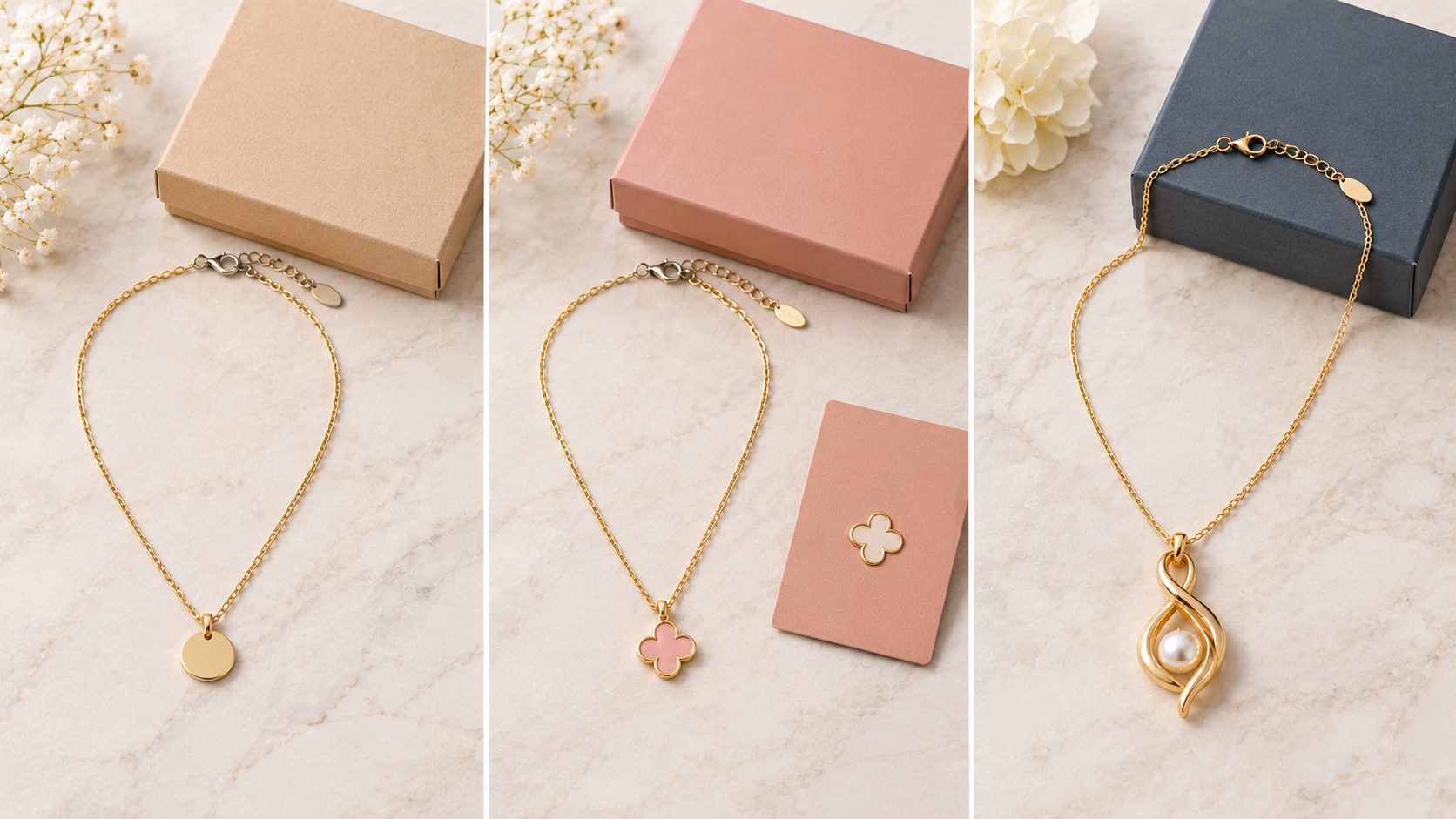 Three levels of the same product idea: generic, adapted, and fully custom.
Match the Model to Your Brand Stage
Stage 1 — Testing demand: white label. Low minimums and a launch measured in weeks let you learn what sells before committing capital. Perception is no longer the obstacle: NielsenIQ’s 2025 outlook found 68% of respondents see private labels as good alternatives to name brands and 53% buy more of them (NielsenIQ). The real risk is sameness — a competitor can list the identical piece tomorrow. Our guide to building private label jewelry with Yiwu suppliers covers the first-order workflow.
Stage 2 — Building a recognisable range: ODM. Change the finish, colourway, charm shape or packaging so the collection reads as yours. In custom jewelry, plating, materials and packaging create a distinct look without new tooling.
Stage 3 — Defending margin: OEM. At retail or wholesale scale, exclusivity and owned tooling protect your margin. This is when a full tech pack, an approved golden sample and written IP terms pay for themselves.
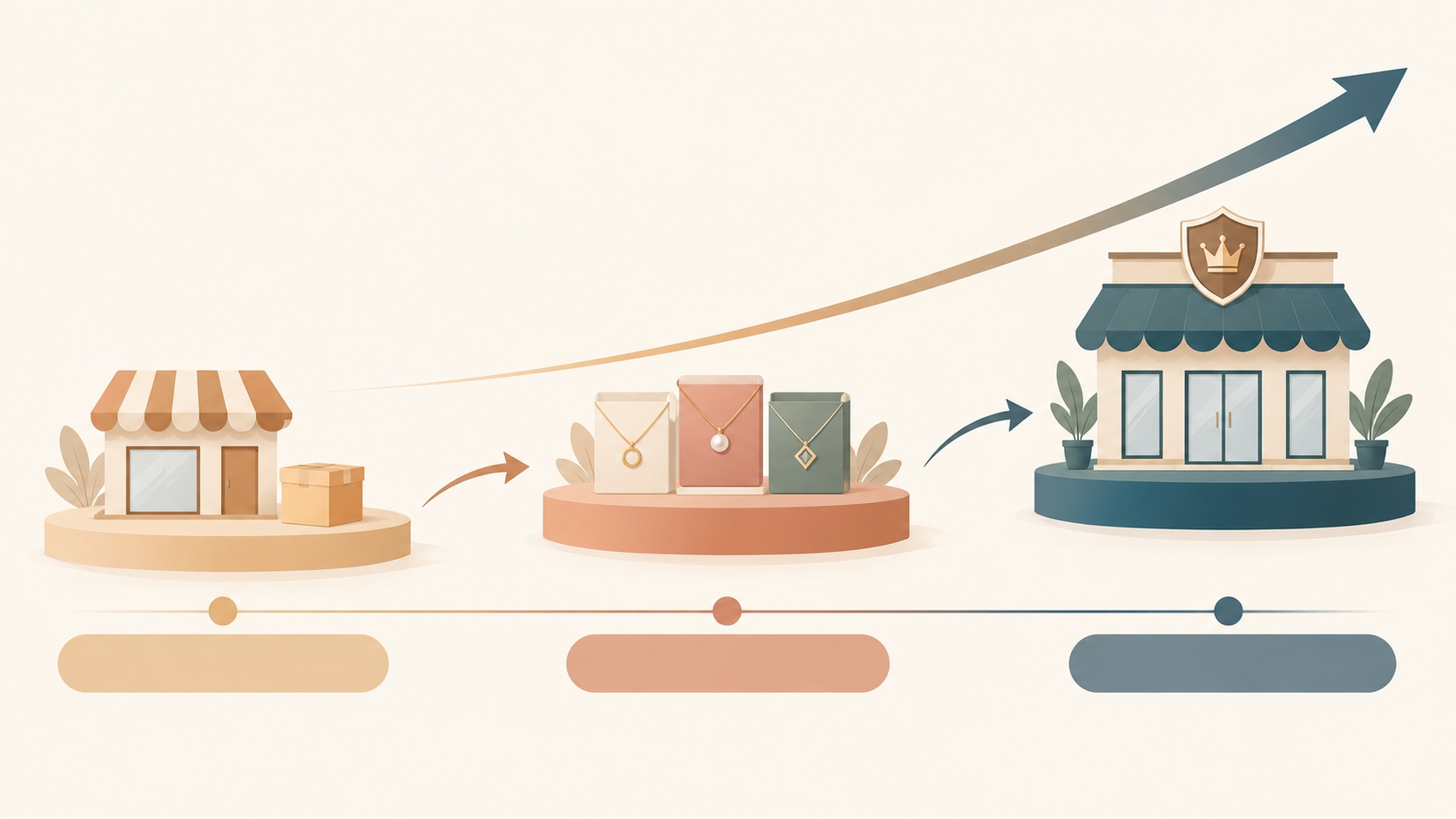 A typical progression: launch with white label, differentiate with ODM, protect the winners with OEM.
The Hidden Costs: Quality Control and Design Ownership
Every model outsources production, but none outsources accountability. White label carries the sharpest quality risk because you inherit a process you did not specify. A documented, process-based quality system — the principle behind the ISO 9000 family of standards — is worth more than any promise on a quotation. Ask for material checks, plating tests, in-line inspections and a signed golden sample.
Ownership is the second trap. WIPO confirms trademark registration gives its owner exclusive rights to the mark (WIPO) — but it does not transfer the factory’s underlying design. State in writing who owns drawings, moulds, tooling and adaptations, whether the arrangement is exclusive, and where. Without that clause, an ODM partner can legitimately sell a near-identical bestseller elsewhere.
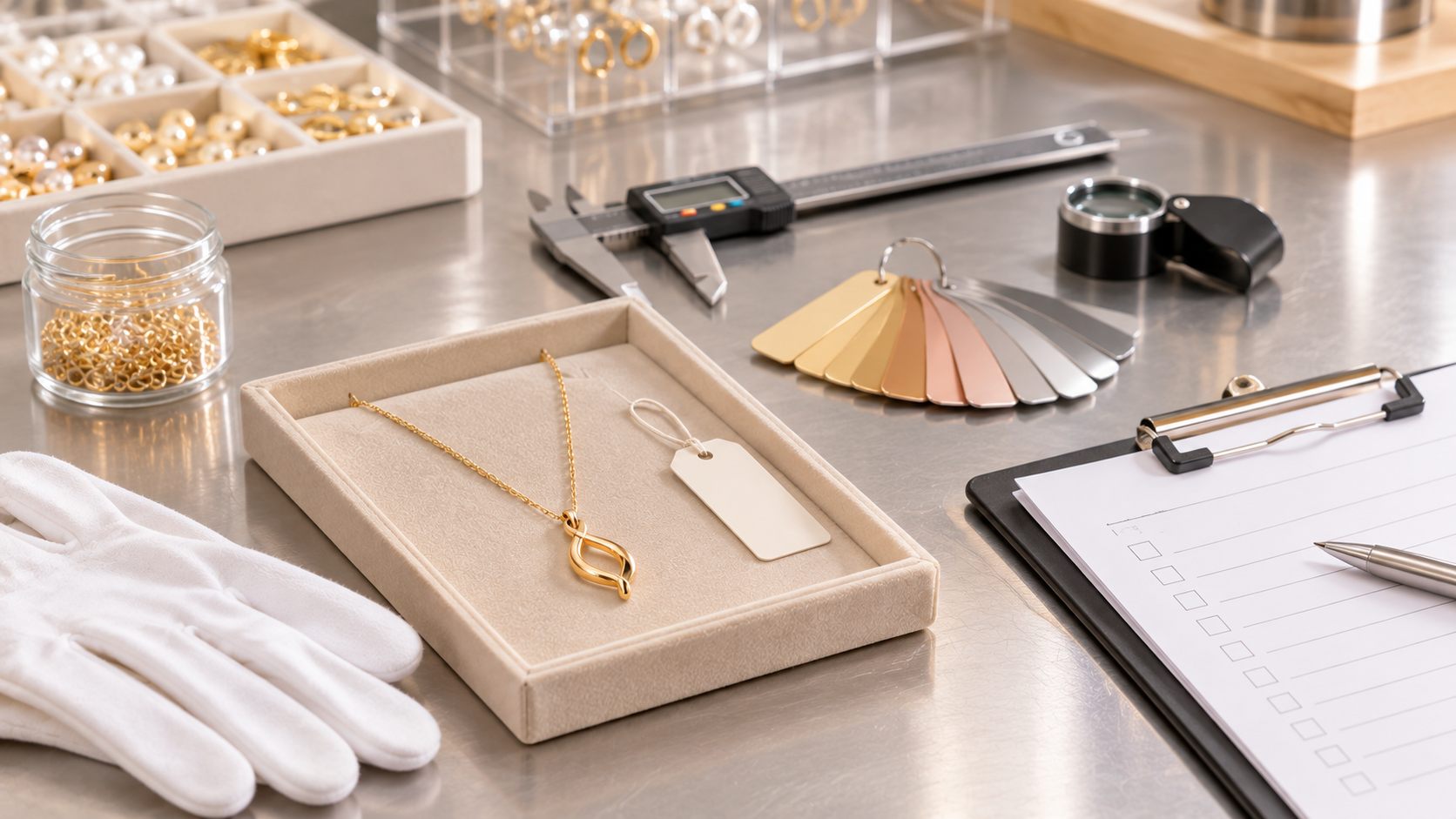 Approved samples and documented inspection criteria are what separate a reliable partner from a cheap quotation.
A Simple Decision Rule
- Is demand unproven? Choose white label — buy learning speed.
- Do you need a distinctive look, not a new product? Choose ODM.
- Do you need exclusivity and custom tooling? Choose OEM — own the spec.
Most brands pass through all three: launch fast, differentiate, then protect the winners. Let reorder data — not ambition — trigger the move. Dreamwork supports all three across jewelry, hair accessories and bags, from sampling to multi-stage production QC.
Frequently Asked Questions
Is white label the same as private label? No. White label is generic and sold to many brands; private label is made for one retailer, often to its own specification.
Can I move from ODM to OEM later? Yes. Keep your own drawings and approved samples from day one, so an OEM project starts from data you own.
Which model has the lowest MOQ? Typically white label, then ODM, then OEM — but MOQs are commercial terms, so confirm them in writing.
Related Posts
October 2026 Global Fashion & Retail Industry News: Key Updates for Brands and Buyers
Brass vs Stainless Steel vs Sterling Silver: Which Metal Should You Choose for Your Jewelry Brand?